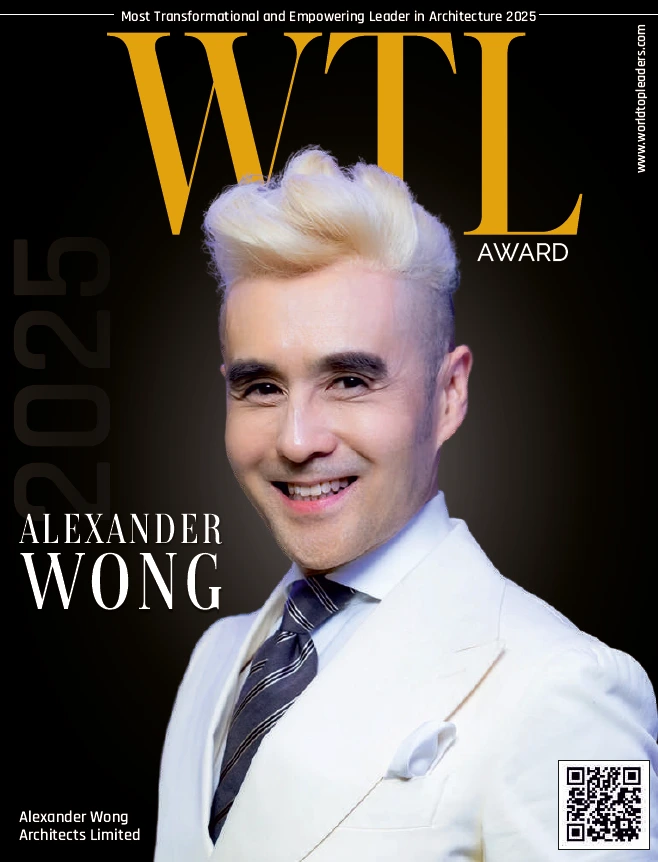
Most Transformational and Empowering Leader in Architecture 2025
Alexander Wong Architect at Alexander Wong Architects Limited
Most Transformational and Empowering Leader in Architecture 2025 Read More »
Alexander Wong Architect at Alexander Wong Architects Limited
Most Transformational and Empowering Leader in Architecture 2025 Read More »
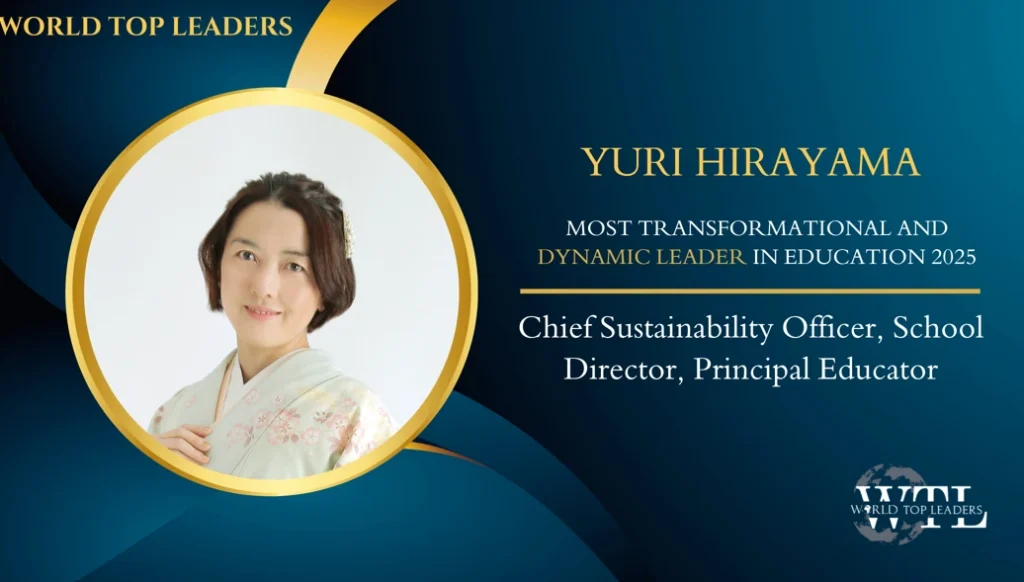
Yuri Hirayama Most Transformational and Dynamic Leader in education 2025 The education industry plays a key role in shaping individuals and society. It focuses on teaching knowledge, skills, and values to learners of all ages from young children to adults. This industry includes schools, colleges, training centers, and learning programs, both in physical classrooms and online. Education helps people grow personally and professionally, build confidence, and become responsible citizens. It also supports communities by improving literacy, promoting equal opportunities, and encouraging lifelong learning. In recent years, there has been a stronger focus on sustainability, innovation, and emotional development in education. New methods such as hands-on learning, digital tools, and global exchanges are making education more flexible, inclusive, and connected to real-world challenges. Yuri Hirayama is the Chief Sustainability Officer, School Director, and Principal Educator at the Yuri Education Center. She leads an institution that seamlessly integrates sustainability, cultural heritage, and education, with a special focus on empowering young people and mothers. Through community-centered initiatives and a deep-rooted commitment to experiential learning and cross-cultural dialogue, she nurtures socially conscious and capable leaders. Her work is driven by academic rigor, emotional intelligence, and a profound belief in the power of education to shape the future. From Purpose to Impact: How Yuri Hirayama Turned Her Passion for Education into a Life-Changing Movement for Mothers, Youth, and Sustainability Yuri Hirayama’s professional journey is not just a career story; it is a narrative shaped by purpose, vision, and unwavering dedication to the well-being of society. Her deep-rooted belief that education can transform not only individuals but entire communities led her to create a center that stands as an example of innovation and inclusivity. Her commitment to education began early and grew stronger with each step she took. For Yuri, education has always meant more than academic excellence. She saw it as a powerful tool for empowering people, preserving cultural values, and promoting environmental stewardship. With this vision in mind, she founded the Yuri Education Center, a place that brings together the values of sustainability, cultural awareness, and community support under one roof. One of the most significant moments in Yuri’s career was the creation of “Yuria’s Happy English”, a program designed for mothers and their young children. The intent was not just to teach English but to offer a nurturing environment where emotional connections could thrive alongside environmental awareness. This program became a gateway for introducing sustainability concepts at a foundational level, encouraging families to build relationships grounded in empathy and eco-conscious values. Through this initiative, Yuri came to realize the significant impact that early childhood education can have on fostering social and ecological responsibility. It was a turning point that further validated her mission. Following this success, Yuri developed another transformative initiative: “Waste to Wow!”. The idea was simple yet profound: Take discarded items and transform them into useful or beautiful creations. Through this initiative, Students were encouraged to rethink their perception of waste and learn that what is often seen as useless can, with creativity and effort, become meaningful. This program taught students not only environmental responsibility but also resilience and innovation. The idea of turning something neglected into something valuable resonated deeply with her philosophy of education as a tool for uplifting lives. Her journey continued with the creation of the “You Lead” program, an initiative that reflects her belief in youth leadership. This program empowers young people to explore global issues, develop their voice, and engage meaningfully with their communities. By encouraging learners to step into leadership roles, Yuri helps them become agents of change. Her educational methods are not just confined to books and classrooms; they extend into the real world through inquiry-based, interdisciplinary approaches that blend science, sustainability, and language skills. Students don’t just learn, they inquire, engage, and act. Leading with Heart and Growth: The Transformative Journey of Yuri Hirayama’s Leadership Style Yuri’s leadership is marked by a rare combination of strength, empathy, and inclusivity. Over the years, her leadership style has transformed and matured. In the beginning, she focused heavily on structure, curriculum, and the technical aspects of education. However, through interactions with students, mothers, and educators, she began to recognize that leadership must also be emotionally intelligent and culturally responsive. Today, Yuri’s leadership style is centered on empathy and inclusivity. She creates an environment where every voice matters, whether it belongs to a student, a parent, or a staff member. She understands that people thrive when they feel heard, respected, and supported. That is why collaboration, rather than authority, forms the backbone of her leadership philosophy. Her inspiration stems not from any one person but from the collective strength of the women and youth she works with daily. Their resilience, creativity, and determination have shaped her perspective and refined her leadership. These individuals have shown her that leadership is not about commanding but about uplifting others, being vulnerable, and listening deeply. Yuri also values the contributions of professionals and collaborators who participate in her programs. Sustainability experts, educators, and innovators bring valuable insights that continuously enrich the Yuri Education Center’s work. These diverse voices ensure that her leadership remains dynamic and informed by a broader worldview. Yuri views leadership as a lifelong journey, one shaped by constant learning, reflection, and a willingness to grow. Grace Under Pressure: How Yuri Hirayama Leads with Integrity, Clarity, and Collective Strength in Critical Moments Leading an educational institution that is committed to real-world change comes with its share of challenges. Whether it’s navigating unforeseen circumstances or making impactful decisions, Yuri approaches each situation with clarity, honesty, and a deep grounding in shared values. Her philosophy in high-stakes moments is captured in a guiding principle embraced by her team: “We courageously discuss, actively lead, and collectively act.” This simple yet powerful mantra reflects her belief in transparency, dialogue, and collective ownership. In times of uncertainty, Yuri ensures that every team member feels involved and valued. She fosters a culture where strengths are recognized, contributions are celebrated, and even small achievements

Ignacio Bonasa President and Founder – Liderarte
Most Influential Global Voice in Emotional & Creative Leadership – 2025 Read More »
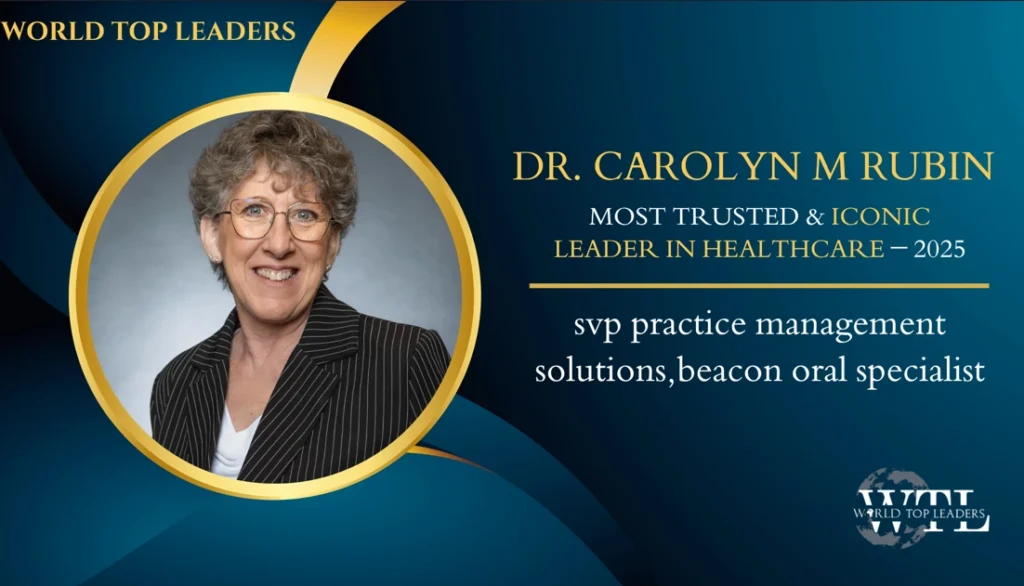
Dr. Carolyn M. Rubin Most Trusted & Iconic Leader in Healthcare – 2025 The healthcare industry focuses on maintaining people’s health and treating them when they fall ill. It includes hospitals, clinics, dental offices, labs, and special care centers. This industry works to prevent illness, diagnose health problems, and provide the right treatments. It also involves creating new medicines, using technology to improve care, and managing healthcare services. As technology grows, the healthcare field is finding better ways to care for patients, store information, and make services faster and more efficient. From simple checkups to serious treatments, this industry covers all areas of health and wellness. It plays a big role in helping people live longer and healthier lives. This industry is an important part of every community and country. Dr. Carolyn M. Rubin is a well-known leader in the healthcare field who believes in creating positive change and focusing on the human side of innovation. As the Senior Vice President of Practice Management Solutions at Beacon Oral Specialists, she combines smart planning with care and understanding. With many years of experience, she continues to guide and inspire future leaders. She believes in being fully present, having a clear purpose, and using storytelling to help people grow, stay strong, and move forward. Leadership from the Heart and with a Purpose: Embodying Presence, Intentionality, and the Authentic Reality of Leading Leadership, for Dr. Carolyn M. Rubin, is so much more than a title or a step up the corporate ladder. It is a vocation, a lifetime of commitment to service, to inspiring others, and to transformation by design. Her entry into healthcare was not one of systems and efficiency, but of people, and making the systems more compassionate, more human, and more effective. From the beginning of her career, she was attracted to the intersection where operational excellence and compassionate service come together. She soon discovered that successful leadership involved something more than command and control; it involved a genuine commitment to improving things not only for patients and practitioners but also for the teams behind these systems. When pressed to articulate her leadership style, Dr. Rubin discusses intentionality. Every relationship, every decision, and every action is established with deliberation and thoughtfulness. She believes in creating significant relationships, fostering innovation, and making sure that everything done serves a larger vision of change. She practices servant leadership with an emphasis on empowerment, collaboration, and the good of her teams. One of the defining pivot points in her life was the point when she became committed to the practice of presence. She learned that leadership is most powerful when experienced with complete awareness, profound listening, and genuine engagement. In each meeting, in each challenge, in each moment of mentoring, her complete attention produced waves of effect. This philosophy formed the basis of her practice, and it was carried forward in her work, ranging from restructuring healthcare systems to mentoring future leaders through their changes. This style has not stood still. Over time, it has been developed into a leadership style infused with emotional intelligence, mindfulness, and a profound respect for flexibility. What has developed from a structured, results-oriented style is now a mature one that combines logic with sensitivity, structure with flexibility. Her ability to transform reflects her highest ideals: leaders who combine courage with authenticity, strategy with humanity, and create a setting where individuals are free to create, contribute, and develop. It is this interplay between making things happen and promoting connection that characterizes Dr. Rubin’s leadership legacy. Leading with Clarity, Presence, and Purpose: Navigating Crises and Global Leadership Challenges in a Complex, Rapidly Changing World Crisis for Dr. Rubin is not only a time of disruption but an opportunity to reaffirm values and demonstrate a clear vision. In high-stress environments such as healthcare, where room for error is minimal, she is calm and centered, inspiring others. She addresses crisis management with deliberate choices, recognizing feelings while prioritizing long-term integrity and influence. Thoughtful evaluation paves the way for decisive action based on common values and strategic insight. As a world leader, she is aware of the nuances of contemporary leadership informed by accelerated technology changes and changing societal values. She holds that authenticity has to be preserved amid change by staying rooted in intrinsic values. Presence and intentionality lead leaders to move through complexity without sacrificing clarity. Dr. Rubin also points to an increasingly pressing problem: the deterioration of rich human connections in a world dominated by digital communication. She promotes designing purposeful spaces that emphasize collaboration, creativity, and emotional connection. For her, regardless of how sophisticated technology may evolve, richness in human interaction is vital. Her unique leadership fosters resilience by inviting teams to find connection with purpose, identify their influence, and adapt willingly. In this way, uncertainty is transformed into momentum and challenges into opportunity. The Dragonfly Symbolism and the Living Legacy of Leadership: How Storytelling Turns Presence into Purpose Another highlight of Dr. Rubin’s life was embracing storytelling not as a tool for communication, but as a means of taking transformation and making it something concrete and personal. Specifically, she was attracted to the dragonfly symbolism, which is a symbol of change, resilience, and adaptability. The dragonfly was her logo, a means to touch others on the emotional plane where real transformation happens. By being open with her tales and inviting others to do so as well, she established a culture in which vulnerability was not frailty, but courage. Her tales became blueprints, guiding others through their changes with courage and clarity. In this, she not only led with strategy, but with soul. Legacy, to Dr. Rubin, is not constructed in boardrooms or quantifiable by metrics alone. It is a living philosophy, a state of being that indelibly marks people, systems, and ideas. She hopes her legacy will cross industries, reminding individuals that leadership is a presence, an intention, and a connection. Her life is a testament to the possibility that strategy and compassion are not opposite sides
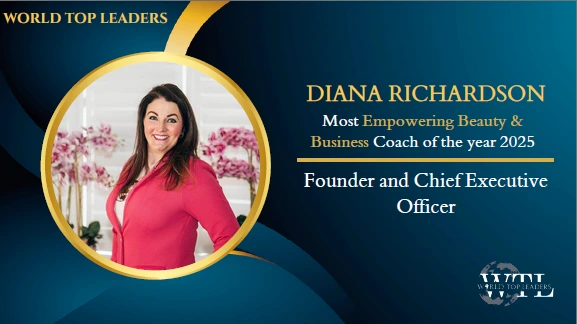
Diana Richardson Most Empowering Beauty & Business Coach of the year 2025 The business and beauty coaching world has become an ever-changing and networked ecosystem, where entrepreneurship and artistry intersect in the most creative fashions. Driven by online platforms and customer interest in bespoke experiences, the sector moves beyond conventional salon treatments to encompass whole-person wellness, expert mentorship, and sustainable development frameworks. Beauty therapists weigh technical proficiency in high-end aesthetic treatments against business acumen, leveraging social media, content marketing, and community outreach to grow their reach. Business mentors offer customized insights into brand creation, operational streamlining, and market segmentation, equipping practitioners with to create successful businesses. As the industry keeps diversifying, those who combine creativity, flexibility, and strategy driven by numbers forge its future, leading by example and paving the way for future generations of entrepreneurs. Diana Richardson is a model of resilience and innovation, leveraging early industry exposure to build a decades-long career. From mopping salon floors at age nine to launching her high street business, she combined technical expertise with strategic know-how. A one-time Virgin Atlantic flight attendant turned businesswoman, Diana established several award-winning enterprises, such as Orchids Hideaway, recording exponential success and teaching awards. Awarded hundreds of accolades and inducted into the IAOTP Hall of Fame, she is still an inspirational figure in beauty and business coaching. Blending Beauty and Business: How Creators, Coaches, and Community Leaders Are Redefining Success in the Modern Wellness and Aesthetics Industry The beauty and business coaching industry has transformed into a vibrant, interconnected ecosystem where creativity and commerce work hand in hand. What once revolved around salon services now encompasses a comprehensive experience that blends skincare, aesthetics, wellness, and strategic business mentorship. This evolution is driven by rising consumer demand for personalized services and a growing digital landscape that allows professionals to connect, educate, and inspire at scale. Today’s beauty professionals are not only skilled aestheticians but also content creators, brand builders, and community leaders. They use social media, digital marketing, and real-time engagement to grow loyal audiences and build meaningful businesses. Simultaneously, business coaches have emerged as vital partners in this landscape, providing customized strategies in operations, branding, scalability, and customer experience. Together, these roles converge to form a powerful alliance fueling innovation, empowering independent entrepreneurs, and setting new standards in service delivery. Coaching, once an afterthought, is now a cornerstone for sustainable success in the beauty industry. As the field continues to evolve, the leaders who thrive are those who balance artistic excellence with adaptive strategy and a passion for teaching others. Their impact ripples outward, inspiring a new generation of professionals committed to purpose, prosperity, and transformative leadership. Globally Celebrated Beauty Leader and Serial Entrepreneur With a Decades-Long Track Record of Business Excellence Diana Richardson’s professional development has been fueled by personal and professional moments and points of inflexion that spurred radical growth and enduring innovation. A significant point of inflexion came with the launch of the Glowgetter Mentor brand, which started as a vision for sharing actionable advice and developed into a weekly industry expert podcast. With more than 125 shows, Diana has interviewed top influencers in beauty, wellness, and entrepreneurship, catapulting her to international keynote speaking opportunities and extending her reach across multiple markets. At the same time, her Glowgetter Mentor blog has garnered over one hundred detailed articles, each providing actionable tips for business owners looking to flourish and grow. Building on this momentum, Diana wrote the bestselling Glowgetters Guide to Running a Blooming Business, taking her knowledge and turning it into a thorough guide. Her single-minded enthusiasm for the beauty world and community drove each project’s takeoff and ensured its international success. These achievements highlight her dedication to ongoing innovation, cementing her position as a visionary leader and inspiring mentor in the beauty and coaching industries, where she challenges others to seek transformational achievement. Turning Adversity into Opportunity Through Resilience, Empathy, and a Strategic Vision for Empowering Global Business and Future Leadership Diana’s leadership style has developed over a sequence of transformative tests, each of which offered challenges that she adeptly transmuted into opportunities for development. Early in her career, she experienced staffing shortages and budgetary challenges that required creative solutions to the workforce and careful budgetary management. Later, a serious injury challenged her resilience, making her re-prioritize her needs and invest in wellness habits that strengthened her ability to lead from the inside out. Grasping grit and perseverance, Diana refined her decision-making methodology, dedicating herself to taking firm action with the assurance gained from learned knowledge, even where results were uncertain. Diana accepts that not all decisions don’t result in instant success, but she approaches failures with lessons, which, in retrospect, are more obvious than they were foreseen. Appreciating the need for ongoing reflection, she practices systematic goal setting, meeting monthly and quarterly to keep energy levels up and accountability high. This leadership style of evolution has nurtured a multicultural culture of innovation, personal empowerment, and trust in her worldwide business enterprises. By combining adaptive strategy with empathetic mentoring, Diana creates a climate in which future leaders can flourish, finding both challenges and success as integral to sustaining success. How Visionary Leadership and Empathetic Mentorship Shaped Diana Richardson’s Philosophy in Beauty, Business, and Empowerment Coaching In Diana’s story, the greatest influence came by chance when she met Kit Kemp, a celebrated hotelier and imaginative visionary. Diana opened her initial high street salon when Kit was given a signature treatment that would evolve into more than sixteen years of a relationship. During that period, Kit’s unshakeable commitment to excellence, purpose-driven passion, and investment in the empowerment of others gave Diana a real-life example of leadership based on vision and authenticity. Seeing the way Kit put considered design, genuine legacy, and uncompromising standards into every project inspired Diana to implement something similar in her endeavours. Kit’s capacity to generate revolutionary guest experiences, combined with a culture of empowerment for employees and partners, resonated with Diana’s ethos. Aside from her hospitality success, Kit Kemp is
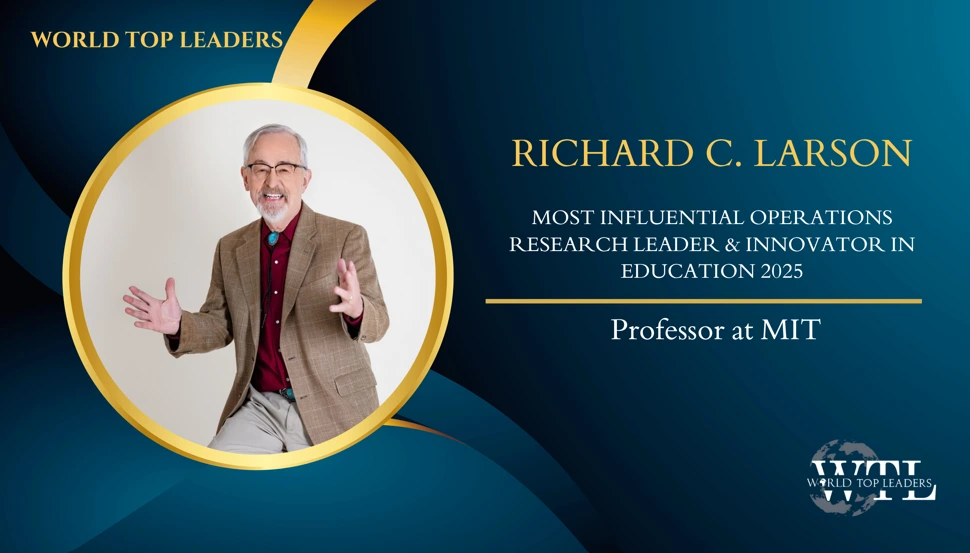
Richard C. Larson Most Influential Operations Research Leader & Innovator in Education 2025 Richard never dreamed of being a professor. His path to academia was more by accident than intention, driven by an early fascination with concrete systems such as circuitry, signal processing, and hardware logic. But it wasn’t until he stumbled upon Operations Research (OR) that something clicked. “I was fascinated by the applicability of OR to the external world,” he remembers. It wasn’t the modelling or the mathematics; it was that OR might help make tricky problems in society more manageable. And this insight made him pursue a different route. The turning point in Larson’s career was through Professor Alvin W. Drake, an electrical engineering and OR specialist who recognised in Dr. Richard the potential for something better. Another important person was Dr. Alfred Blumstein, who served on the President’s Crime Commission’s Science and Technology Task Force. This initial exposure to actual applications of OR, specifically in urban policing, had a deep influence on Dr. Richard’s outlook. It not only gave him an academic grounding but also a sense of social obligation. His PhD dissertation, which maximised urban police patrols, became his first book, Urban Police Patrol Analysis, published in 1972. The book was subsequently awarded the Lanchester Prize, establishing Larson as a leading applied systems thinker. The MIT Lifer and the Enduring Art of Teaching: How Richard C. Larson Turned Classrooms into Catalysts for Lifelong Learning When Professor Alvin W. Drake offered Dr. Richard a position on the MIT faculty as an assistant professor, he was surprised as well as flattered. He seized the opportunity, initiating what would be a lifelong connection with the institution he is proud to call his own. Instead of merely staying at MIT, he contributed significantly to changing the way Operations Research was taught, practised, and enjoyed. In the classroom, he went beyond dry theory and memorisation. He emphasised application to real-life situations, everyday storytelling, and a people-centric approach to high-level sub-areas, emphasising applied probability and queueing theory. Inspired by great teachers like Dr. Amar Bose, he created a learning style based on accessibility and utility. He sought to make certain that students would be able to engage with depth. “Never really a theorem-proof kind of person,” Dr. Richard says. “Always pragmatic, always from the real world.” This approach appealed to students and faculty members. He was not educating equations or models. He was teaching me to think differently. His most lasting legacy may be the belief that systems modelling, when done with clarity and intention, is accessible to all. By leading students to view challenges as organised and resolvable, he enabled them to make reflective, wise choices in their careers and their lives. Leading with Purpose and Presence: Richard C. Larson’s Timeless Blueprint for Impactful and Compassionate Leadership Dr. Richard’s leadership was quiet but deeply effective, built on the motto of leading by example. In mentoring PhD students or working alongside colleagues, he held the belief that by showing hard work, integrity, and high standards in his behaviour, others would be spurred to emulate him. His quiet confidence and absolute commitment said much, frequently doing more than outright instruction. “Treat students and colleagues with respect and dignity, and they will respond in wonderful ways,” he says. Instead of depending on directives or micromanaging, he put significant value on substantial, face-to-face conversation. These were not just discussions, they were platforms for mutual respect, collective insight, and genuine leadership. He created settings where people felt valued, challenged to think boldly, and inspired to give their best. Numerous individuals who worked with or under Dr. Richard’s leadership went on to become powerful figures in Operations Research and systems science. To him, leadership was not control, it was trust-building through consistency, compassion, and purpose. He believed the best leaders empower others to find and follow their strengths and visions. When things got tough, he stayed calm and reflective, opening up for input and creating clear, logical directions forward. This intentional, collaborative style allowed those around him to act with clarity and confidence. Model Thinking for Everyday Life: Communicating the Invisible Logic That Shapes Smarter Decisions and a More Understandable World In retirement, most professors fade into the background of academia. Not Dr. Richard. During the lockdown of the COVID-19 pandemic, while the rest of the world stood still, he wrote MODEL THINKING for Everyday Life, a book that challenged readers to bring systems models and decision-making frameworks to the masses, to convert crisis into contribution, bringing clarity amidst confusion. To him, “model” has a double meaning: as something to aim for and as a mental or mathematical abstraction of how the world works. The book expresses his philosophy for life that anyone can make better, wiser decisions by thinking in models. It’s an effort to democratise intellectual tools, once the exclusive province of classrooms and scholarly papers. He calls this approach “MODEL THINKING”, a way of thinking that enables one to navigate oneself through the chaos of modern life with foresight and purpose. Through stories, practical advice, and humour, the book simplifies complex systems into common sense. He doesn’t merely teach models, he lives them, making abstract models concrete wisdom. He aims to make the invisible reasoning of life visible and accessible to all, irrespective of origin or vocation. The Challenges of a Fractured World and the Role of Human Intelligence: Navigating Global Crises with Wisdom, Compassion, and Ethical Innovation Even from the sidelines of the academic world, Dr. Richard is very much in touch with the problems of the world. His first concern is peace, observing that there will always be some areas where war rules. The answer, in his view, is constant dialogue and active diplomacy, particularly by major powers. Health is another concern. Dr. Richard is convinced that international cooperation and funding are the solutions to health emergencies and providing access to basic care for everyone. He insists that the rich need to invest not only in their
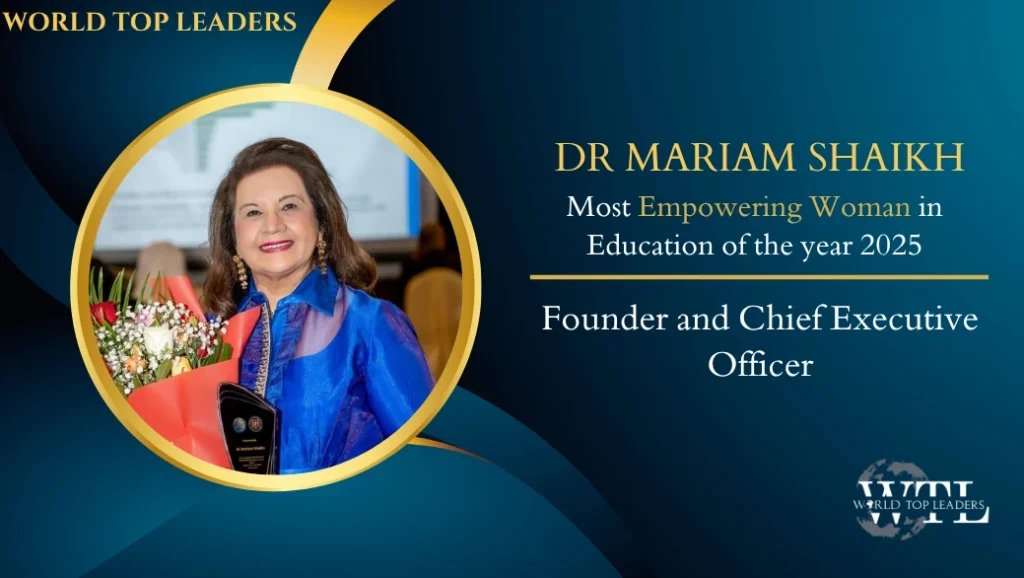
Dr. Mariam Shaikh Most Empowering Woman in Education of the year 2025 Education now blends tradition and technology, responding to local and socioeconomic diversity while promoting inclusive teaching practices. Online learning environments, immersive simulations, and data-based assessment are blended into institutions to tailor learning. Teachers focus on comprehensive development, interweaving social-emotional learning, critical thinking, and global citizenship into the curriculum. Branch campuses and dual-degree programs are supported by international collaborations, taking quality teaching to growth regions. Demographic shifts and economic inequality compel policymakers to advocate for lifelong learning pathways, micro-credentials, and competency-based approaches. Stakeholders balance academic strength with enhanced access through scholarship programs, public-private partnerships, and responsive course design. With this changing landscape, leadership vision and intentional resource distribution are crucial for overcoming equity gaps and preparing all learners for a more interconnected world. Dr. Mariam Shaikh has dedicated over three and a half decades to revolutionizing education in the United Arab Emirates. As Founder and Chief Executive Officer of MS Education Consultants, she has directed thousands of students toward international opportunities through strategic recruitment, counselling, and student-experience planning. Her leadership enabled branch campuses for world-famous foreign universities, while her collaborations with UNHCR provided scholarships for refugee students. Able to serve the world-class recognition for equity and innovation, she reflects a visionary dedication to the access, excellence, and well-being of students. Pioneering Early Childhood Education: Establishing a Innovative, Child-Focused Nursery School Model Through Entrepreneurial Vision in the 1980s Dr. Mariam started in the early 1980s by setting up a boutique nursery school based on her vision of child-centred learning. Inspired by the needs of her children during their developmental years, she created a curriculum that had cognitive milestones integrated with social-emotional learning. She hired educators dedicated to ongoing professional development and collaborated with developmental psychologists to include hands-on learning activities. Classrooms had interactive art, science, language, and play centres that supported exploration and self-expression. Small class sizes meant individualized feedback, and ongoing parent-teacher consultations promoted collaborative goal setting. The philosophy of the school promoted resilience, creativity, and collaboration through projects in groups and community activities, developing empathy and leadership skills early on. Dr. Mariam held parent and teacher workshops on early literacy techniques, behavioural intervention, and universal design for learning strategies. She established collaborations with neighbourhood health providers to provide screenings and support services for children with special needs. With yearly inspections and feedback mechanisms, she constantly improved operations and teaching methods. By the end of its first ten years, the nursery had served hundreds of families, with waiting lists testifying to its reputation for quality. Not only did this early endeavour influence thousands of learners, but it also solidified her dedication to scalable, high-quality education that emphasizes the individual strengths and requirements of each child. Transforming Education Through the Balanced Implementation of Rigorous Academics, Cultural Sensitivity, and Modern Technology in an Asian-Curriculum School Based on her achievements with a nursery school, Dr. Mariam Shaikh became Principal at a well-established Asian-curriculum school chain within the UAE, managing over seven thousand pupils. She adopted a far-reaching approach that effortlessly balanced academic stringency, cultural sensitivity, and technological innovation. Among her defining initiatives was opening a leadership academy for teachers, which provided instructors with data-driven pedagogy and customized learning strategies for a myriad of students. Student support services were greatly enhanced during her tenure, such as counselling, career counselling, and an array of extracurricular clubs ranging from art to robotics to promote students’ overall development. Dr. Mariam collaborated successfully with the regional education authorities to gain official recognition, raising the status of the school and maintaining compliance with high standards. She also fostered strong community relationships, expanding extracurricular programs and providing international exchange visits that expanded students’ international perspectives. Campus facilities doubled in size to meet growth and innovation, with state-of-the-art science laboratories, digital media studios, and wellness centres. Enrollment grew steadily as families looked for an education that honoured cultural heritage and prepared students for international challenges. Dr. Mariam’s leadership through this time cemented her position as a visionary who could lead a multifaceted educational institution while keeping the personalized, high-level learning experience intact. Spearheading Higher Education Partnerships, Facilitated Branch Campuses, Aligning Global Standards with Local Cultural Regulatory Priorities In acknowledging the UAE’s increasing position as a worldwide academic centre, Dr. Mariam Shaikh made efforts to bring elite overseas universities to Dubai Knowledge Village and other innovation precincts. One of her landmark achievements was negotiating the University of New Brunswick’s first Middle East campus, where she effectively reconciled international accreditation requirements with Emirati cultural and regulatory demands. She created strategic roadmaps that covered site selection, regulation compliance, and market positioning, working closely with government bodies to obtain highly attractive incentives. Dr. Mariam worked with university leadership to modify curricula, incorporating regional studies with necessary global competencies to ensure relevance and academic standards. A targeted marketing campaign emphasized the campus’s distinct blend of North American pedagogy and Middle Eastern setting, successfully enrolling students from more than sixty nations. Building on this success, she brokered such collaborations with Heriot-Watt University, the Canadian University of Dubai, and Amity University, each developing programs in areas like sustainable development, engineering, and business leadership. Through strategic project management and coordination with stakeholders, she made the UAE a thriving international hub for higher education, promoting more cross-border academic interactions and collaborative research potential. Driving Student Enrollment Growth at International University Branch Campuses Through Scholarships and Experiential Learning Initiatives Through her senior leadership positions at the Canadian University of Dubai, Heriot-Watt University, and Amity University in Dubai, Dr. Mariam Shaikh led significant growth in both enrollment and academic offerings. She implemented flexible governance approaches that allowed faculty and administration to be agile and quickly adapt to new educational needs, such as hybrid learning modalities and executive education. Understanding the importance of diversity and inclusion, she initiated scholarship initiatives for high-achieving students from underserved areas, supported by strategic partnerships with major industry sponsors who offered mentorship and internship opportunities. To maintain sustained academic excellence, she strengthened quality assurance frameworks through
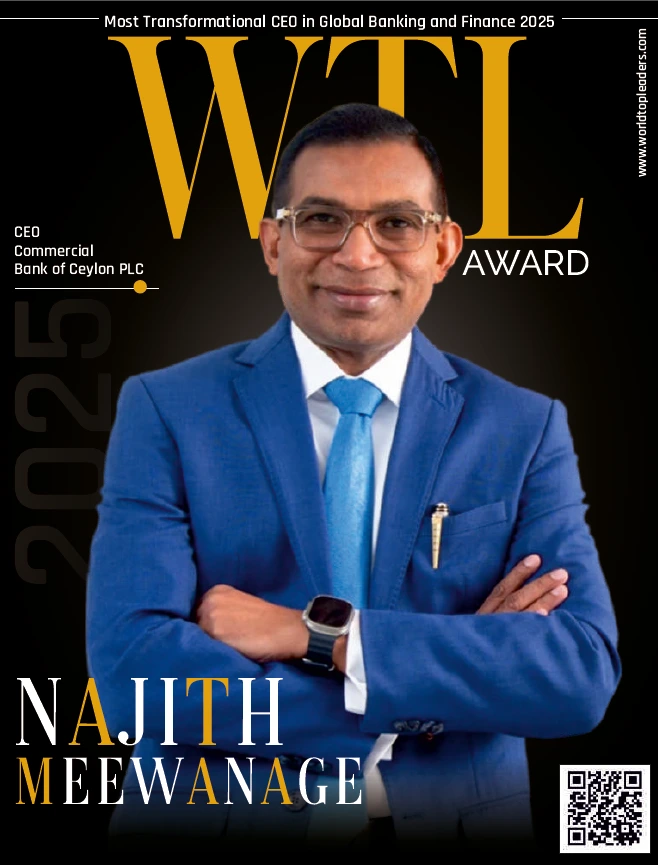
Najith Meewanage CEO – Commercial Bank of Ceylon PLC
Most Transformational CEO in Global Banking and Finance – 2025 Read More »
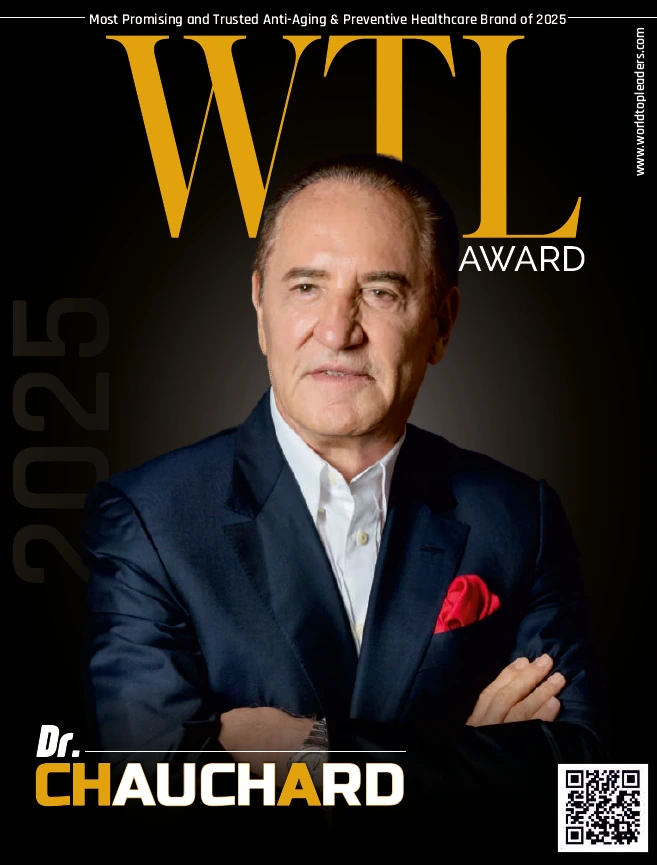
Dr. Claude Chauchard Chairman and CEO – La Clinique de Paris
Most Promising and Trusted Anti-Aging & Preventive Healthcare Brand of 2025 Read More »