
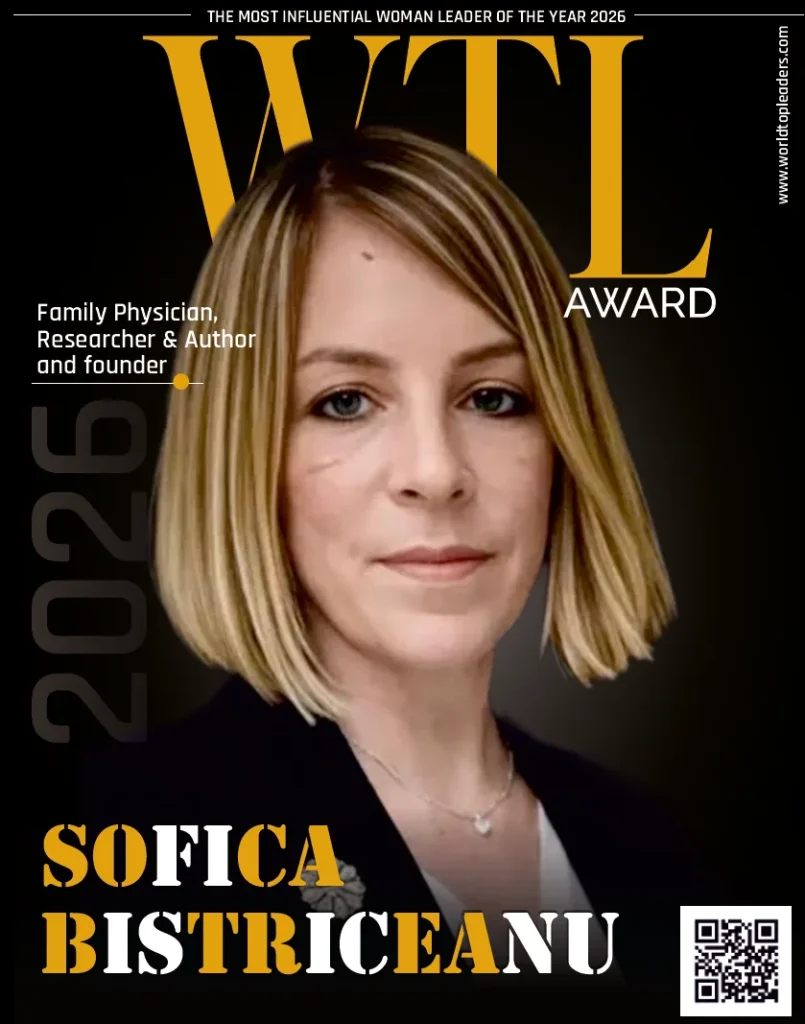
The Most Inspiring Woman Leader of the Year 2026
Sofica Bistriceanu Family Physician, Researcher & Author and founder of Academic Medical Unit
The Most Inspiring Woman Leader of the Year 2026 Read More »
Sofica Bistriceanu Family Physician, Researcher & Author and founder of Academic Medical Unit
The Most Inspiring Woman Leader of the Year 2026 Read More »
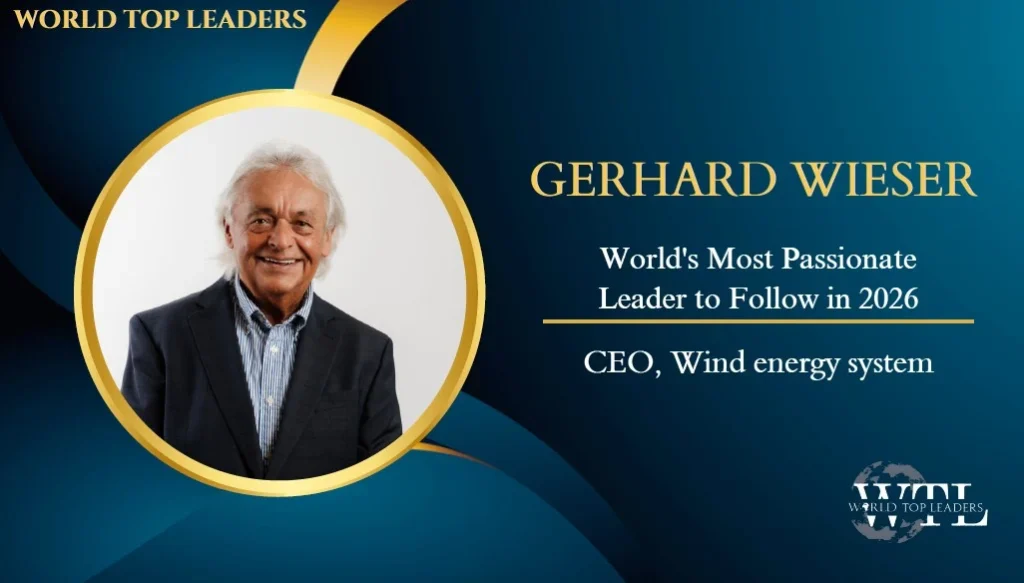
Gerhard Wieser World’s Most Passionate Leader to Follow in 2026 Gerhard Wieser: Shaping the Future Through Renewable Energy and Sustainable Water Solutions Gerhard Wieser’s leadership journey has been shaped by a consistent belief that meaningful progress comes from connecting ideas, disciplines, and practical solutions. With experience spanning agriculture, hydropower, engineering, and renewable energy, Wieser has developed a broad perspective on some of the most important challenges facing the world today. As CEO within the wind energy sector and a leader associated with WG Kraftwerke GmbH and Windgiant Energy GmbH, he has focused his work on developing innovative wind energy systems with a purpose that extends beyond electricity generation. At the heart of his vision is a simple but ambitious idea: renewable energy technology can play a wider role in addressing resource challenges. His work explores the connection between clean energy generation and the recovery of usable water from the atmosphere, bringing two critical needs into one technological approach. This vision has developed into a patented dual-turbine system, marking an important milestone in his professional journey. Gerhard Wieser: Die Zukunft gestalten – mit erneuerbaren Energien und nachhaltigen Wasserlösungen Gerhard Wiesers Werdegang als Führungskraft ist geprägt von der festen Überzeugung, dass bedeutender Fortschritt aus der Verbindung von Ideen, Disziplinen und praktischen Lösungen entsteht. Mit seiner Erfahrung in den Bereichen Landwirtschaft, Wasserkraft, Ingenieurwesen und erneuerbare Energien hat Wieser eine umfassende Perspektive auf einige der wichtigsten Herausforderungen entwickelt, denen sich die Welt heute gegenübersieht. Als Geschäftsführer im Windenergiesektor und in leitender Funktion bei der WG Kraftwerke GmbH und der Windgiant Energy GmbH hat er den Schwerpunkt seiner Arbeit auf die Entwicklung innovativer Windenergiesysteme gelegt, deren Zweck über die Stromerzeugung hinausgeht. Im Mittelpunkt seiner Vision steht eine einfache, aber ehrgeizige Idee: Technologien für erneuerbare Energien können eine umfassendere Rolle bei der Bewältigung von Ressourcenherausforderungen spielen. Seine Arbeit untersucht den Zusammenhang zwischen der Erzeugung sauberer Energie und der Rückgewinnung von nutzbarem Wasser aus der Atmosphäre und vereint so zwei entscheidende Bedürfnisse in einem technologischen Ansatz. Diese Vision hat sich zu einem patentierten Doppelturbinensystem entwickelt, das einen wichtigen Meilenstein in seiner beruflichen Laufbahn darstellt. Leadership Built on Preparation and Trust Wieser describes his leadership approach as goal-oriented, well prepared, and built on mutual trust. For him, successful execution begins long before a project reaches the implementation stage. Planning, organisation, and technical preparation provide the foundation for work that is efficient, safe, and precise. Over time, his approach to leadership has also evolved. Rather than attempting to control every decision, he believes leaders should establish clear goals, define the right framework, and then give capable people the responsibility to contribute. This creates room for employees to use their knowledge and experience while remaining aligned with a shared objective. His philosophy is also grounded in personal accountability. Reliability, consistency, solution-focused thinking, and the ability to make decisions are values he expects from himself as much as from others. One principle particularly reflects his practical outlook: “What can be done sensibly and necessarily today should not be put off until tomorrow.” Führung auf der Grundlage von Vorbereitung und Vertrauen Wieser beschreibt seinen Führungsstil als zielorientiert, gut vorbereitet und auf gegenseitigem Vertrauen basierend. Für ihn beginnt eine erfolgreiche Umsetzung schon lange bevor ein Projekt die Umsetzungsphase erreicht. Planung, Organisation und technische Vorbereitung bilden die Grundlage für effizientes, sicheres und präzises Arbeiten. Im Laufe der Zeit hat sich sein Führungsansatz weiterentwickelt. Anstatt zu versuchen, jede Entscheidung zu kontrollieren, ist er der Ansicht, dass Führungskräfte klare Ziele festlegen, den richtigen Rahmen definieren und dann fähigen Mitarbeitern die Verantwortung übertragen sollten, ihren Beitrag zu leisten. Dies schafft Raum für Mitarbeiter, ihr Wissen und ihre Erfahrung einzubringen und gleichzeitig auf ein gemeinsames Ziel ausgerichtet zu bleiben. Seine Philosophie basiert zudem auf persönlicher Verantwortung. Zuverlässigkeit, Beständigkeit, lösungsorientiertes Denken und Entscheidungsfähigkeit sind Werte, die er sowohl von sich selbst als auch von anderen erwartet. Ein Grundsatz spiegelt seine praxisorientierte Einstellung besonders gut wider: „Was heute sinnvoll und notwendig getan werden kann, sollte nicht auf morgen verschoben werden.“ Turning Innovation into Practical Solutions For Wieser, innovation is not about following every new trend. It begins with identifying future needs and having the courage to develop solutions that can address them. Research, testing, development, and practical experience all play an important role in this process. The dual-turbine system represents this philosophy. The concept seeks to combine renewable electricity generation with atmospheric water extraction while remaining efficient across varying wind conditions and maintaining a strong focus on quiet and environmentally responsible operation. Wieser places particular value on turning ideas into technologies that work in real conditions and make economic sense. In his view, research and development should remain closely connected to practical application. Each test and new finding becomes an opportunity to improve both technology and strategic direction. This approach has led him to look beyond the immediate requirements of the market. He believes tomorrow’s challenges must be considered today, particularly as climate change, resource pressure, energy demand, and water scarcity become increasingly connected. Innovation in praktische Lösungen umsetzen Für Wieser bedeutet Innovation nicht, jedem neuen Trend zu folgen. Sie beginnt damit, zukünftige Bedürfnisse zu erkennen und den Mut zu haben, Lösungen zu entwickeln, die diesen gerecht werden. Forschung, Tests, Entwicklung und praktische Erfahrung spielen in diesem Prozess eine wichtige Rolle. Das Doppelturbinensystem verkörpert diese Philosophie. Das Konzept zielt darauf ab, die Erzeugung erneuerbarer Energie mit der Wassergewinnung aus der Atmosphäre zu kombinieren, dabei unter wechselnden Windbedingungen effizient zu bleiben und einen starken Fokus auf einen leisen und umweltverträglichen Betrieb zu legen. Wieser legt besonderen Wert darauf, Ideen in Technologien umzusetzen, die unter realen Bedingungen funktionieren und wirtschaftlich sinnvoll sind. Seiner Ansicht nach sollten Forschung und Entwicklung eng mit der praktischen Anwendung verbunden bleiben. Jeder Test und jede neue Erkenntnis wird zu einer Chance, sowohl die Technologie als auch die strategische Ausrichtung zu verbessern. Dieser Ansatz hat ihn dazu veranlasst, über die unmittelbaren Anforderungen des Marktes hinauszuschauen. Er ist der Überzeugung, dass die Herausforderungen von morgen bereits heute berücksichtigt werden müssen, insbesondere da Klimawandel, Ressourcenknappheit, Energiebedarf und Wassermangel zunehmend
Gerhard Wieser (Wind energy system) – World’s Most Passionate Leader to Follow in 2026 Read More »
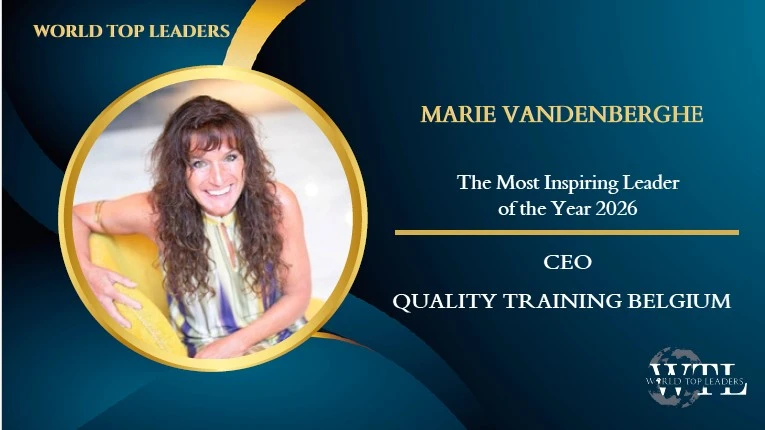
Marie Vandenberghe The Most Inspiring Leader of the Year 2026 Marie Vandenberghe: Building Better Organisations Through Human-Centred Learning Leadership is often measured through growth, performance, and results. Yet, behind every successful organisation are people who are willing to learn, adapt, collaborate, and grow. For Marie Vandenberghe, CEO of Quality Training Belgium, this human element has always been at the centre of leadership. Her professional journey began as a trainer before progressing into the role of Training Manager within a multinational company. Working closely with employees, managers, and HR teams gave her a first-hand understanding of the influence that effective learning can have on individuals and organisations. She saw how the right learning experience could improve not only professional performance but also confidence, motivation, and a person’s understanding of their own capabilities. A defining moment came in 2008, when she founded Quality Training with a clear purpose. She wanted to create an organisation built around humanity, agility, and active listening, while delivering learning experiences that were practical, tailored, and capable of producing measurable results. Today, as technology and Artificial Intelligence continue to reshape workplaces, Marie remains focused on a balanced approach. Rather than treating technology as a threat, she views it as an opportunity to rethink learning while placing greater value on skills that remain deeply human. Leading Through Trust and Empowerment Marie describes her leadership style as human-centred, collaborative, and purpose-driven. Her approach is not based on having every answer. Instead, she focuses on creating an environment where talented people can contribute, take initiative, and continue developing their abilities. Trust, respect, and open communication form the foundation of this culture. Over time, her leadership has also evolved significantly. In the early stages of Quality Training, she was highly involved in operations and personally delivered many training programmes. As the organisation grew, she recognised that effective leadership required a shift from doing everything herself to empowering others. That evolution has become one of the most rewarding parts of her leadership journey. Seeing trainers, project managers, and partners succeed together now represents a major source of satisfaction. Her inspiration comes not from one particular leader, but from people who combine strategic vision with genuine humility. She admires leaders who listen, serve others, and help people reach their full potential. Calm Decisions in Times of Change For Marie, strong leadership becomes particularly important during periods of uncertainty. Her approach to high-stakes decisions begins with listening. She considers the perspectives of clients and team members while also examining the realities of the situation. Rather than allowing fear or emotion to determine a decision, she believes effective choices should bring together data, experience, and human judgment. The COVID crisis and the rapid rise of Artificial Intelligence have reinforced this philosophy. Both periods required organisations to respond quickly without losing sight of their core values. Quality Training chose to remain agile, develop its learning portfolio, and help clients navigate transformation rather than resist it. Marie also believes that motivation is closely connected to purpose. People perform at their best when they understand why their work matters and feel trusted to contribute. Her philosophy can be summed up in her belief that excellence should become “a shared ambition rather than an obligation.” Making Innovation Meaningful Innovation is central to Marie’s vision, but she does not view innovation as the simple adoption of something new. For her, innovation has value only when it addresses genuine challenges and creates meaningful results for people and organisations. At Quality Training, staying relevant involves maintaining regular dialogue with clients, observing changes in the workplace, continuously developing trainers, and embracing emerging technologies such as Artificial Intelligence. This approach reflects a wider belief that technological progress and human development should move together. AI can improve productivity and transform how organisations operate, but Marie points to creativity, empathy, ethical judgment, communication, and leadership as qualities that remain distinctly human. The future, in her view, will favour organisations that know how to bring technological capability and human intelligence together. Navigating the Leadership Challenges Ahead The modern business environment presents leaders with several pressures at once. Technological acceleration, economic uncertainty, talent shortages, and increasing expectations around wellbeing and sustainability are changing the responsibilities of leadership. For Marie, one of the biggest challenges is helping people deal with constant change without losing their engagement, confidence, or sense of purpose. Her answer is continuous learning. Leaders themselves must remain curious and willing to adapt, while organisations need to make learning part of everyday work rather than treating it as an occasional activity. She also highlights the importance of balance. Organisations that focus heavily on digital transformation can risk overlooking the people responsible for making that transformation successful. The strongest organisations will therefore be those that combine innovation with empathy, performance with wellbeing, and ambition with responsibility. A Future Built Around Human Potential Looking ahead, Marie’s vision extends beyond the growth of a training organisation. She wants learning to be recognised as a force capable of unlocking human potential. Her advice to aspiring leaders is direct: never stop listening. That means listening to clients as their needs evolve, listening to teams because valuable ideas often emerge from those closest to the work, and listening to oneself because authentic leadership requires self-awareness. For Marie, leadership is not about being the most knowledgeable person in the room. It is about helping others become better than they believed they could be. That philosophy also shapes the legacy she hopes to create. She envisions a future where learning is valued not simply as a business function, but as a means of helping people and organisations reach their full potential. If Quality Training can contribute to organisations becoming more innovative, more human, and more respectful, while also supporting meaningful humanitarian initiatives beyond business, Marie believes that would represent a legacy worth building. The Impact of Learning-Led Leadership Marie Vandenberghe’s journey demonstrates how leadership can evolve without losing its original purpose. From her early experience as a trainer to her role as CEO, her focus
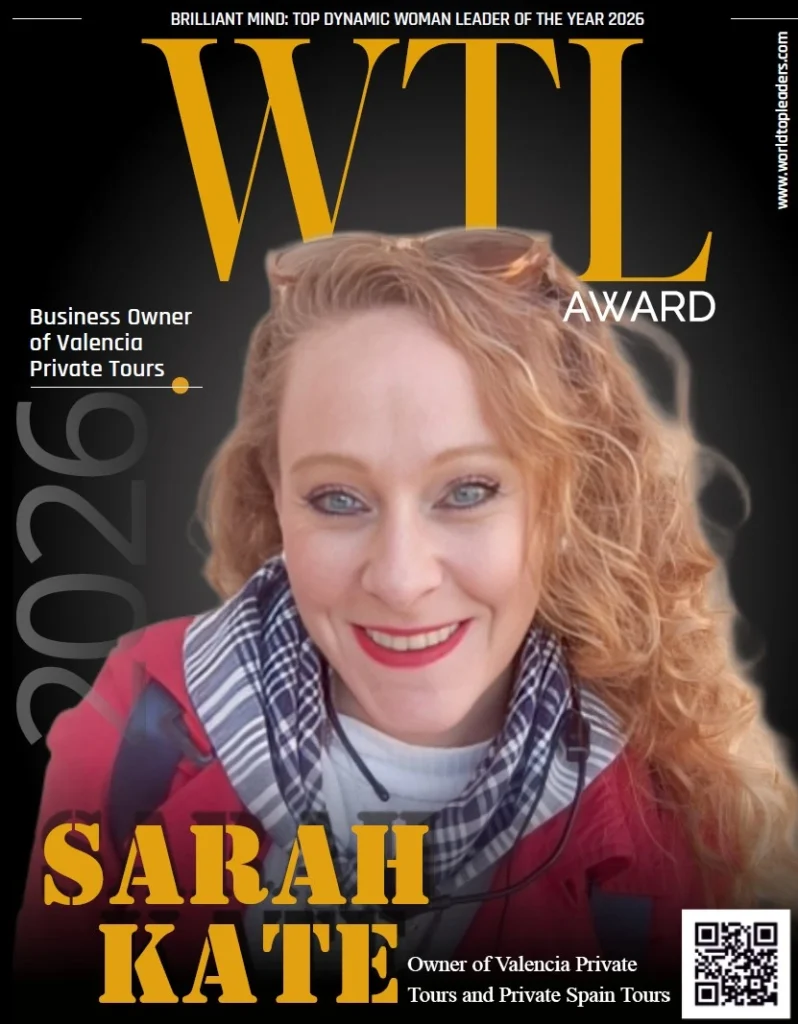
Sarah Kate Owner of Valencia Private Tours and Private Spain Tours

Joel Perri Founder Of JPI Business Solutions
THE MOST REMARKABLE AND PASSIONATE LEADER RENOWNED FOR EXCELLENCE IN 2026 Read More »

Juan Jose Thuemme Global Flavorist at Etadar by Deiman
The Most Inspiring and Impactful Leader of the Year 2026 Read More »

Peter Ristevski Councillor at Liverpool city council
The Most Remarkable and Promising Leader of the Year 2026 Read More »

sukh sandhu Most Influential Leader of the Year 2026 Shaping Education and Compliance: The Lasting Impact of Sukh Sandhu Visionaries transform industries through determination and foresight. Sukh Sandhu is a leading figure in vocational education and compliance. As Founder and Director of Compliance and Quality Assurance (CAQA) and Career Calling International, he has built a legacy of integrity and innovation spanning more than two decades. His work ensures that training organizations meet regulatory standards while delivering meaningful results for learners and professionals. This article explores Sandhu’s journey, leadership principles, and vision for a fair and effective global education landscape. From Humble Beginnings to Pioneering Roles Sandhu’s professional journey began remarkably early. At age 14, a US-based organization selected him for roles in web development, design, training, and assessment. This experience launched a career marked by adaptability and a strong grasp of technology and education methods. Early projects sharpened his skills in digital solutions and instructional content, providing a solid foundation for his future work. After moving to Australia, Sandhu focused on the intersection of education, governance, and compliance. He observed how strong systems could directly influence learner outcomes and organizational performance. Within the vocational education and training (VET) sector, registered training organizations (RTOs) play critical roles in developing workforce skills. Sandhu noticed that many providers struggled to maintain standards amid evolving regulations, often affecting students and employers. Early RTO projects reinforced a key principle: compliance is more than checklists—it requires a culture of accountability, data-driven decisions, and processes aligned with growth. These insights inspired Sandhu’s entrepreneurial efforts. He founded Career Calling International to address gaps in career guidance and professional development, providing resources to navigate job markets. Later, he established CAQA, a consultancy dedicated to advancing compliance and quality assurance. Through these initiatives, Sandhu translated observations into solutions that help RTOs operate effectively in regulated environments. CAQA provides services such as audit preparation, policy development, and tailored training, while Career Calling International supports career alignment and skill-building. Over three decades, Sandhu has partnered with thousands of organizations across Australia and internationally, delivering strategies in risk mitigation, ISO certification, governance, legal reform, and executive development. Building Frameworks for Sustainable Success A key shift in Sandhu’s career was moving from fixing isolated issues to creating holistic frameworks. While early consultations focused on immediate compliance solutions, he recognized their limits. He developed integrated systems covering quality management, risk assessment, and scalable digital tools. These structures support organizations in Australia and abroad, demonstrating adaptability across changing regulations. At CAQA, compliance is treated as an enabler rather than a restriction. Sandhu’s team designs toolkits with real-time data analytics, allowing organizations to monitor performance and prevent non-conformance. Over the years, CAQA has produced tens of thousands of resources and auditing tools, reducing audit preparation time while enhancing transparency and consistency. Career Calling International applies similar principles, aligning career guidance with standards using evidence-based strategies. The growth of both companies reflects Sandhu’s foresight: CAQA now serves hundreds of clients, while Career Calling International has reached thousands through workshops and online platforms. Sandhu’s influence extends internationally. He has spoken at forums, including United Nations sessions, on student protection, digital learning ethics, and credential transparency. Membership in the Forbes Business Council and media features highlight his contributions, showcasing Australian governance and compliance innovation globally. Recent recognition includes the Advocate of the Year for Auditing Reforms at the 2025 Fluxx Awards, acknowledging his ability to transform compliance into a strategic advantage. Leadership Rooted in Values and Empowerment Sandhu’s leadership is grounded in values, data, and people. It emphasizes ethics, evidence-based decisions, and human potential. Over time, his approach evolved from directive oversight to encouraging team ownership and initiative. He mentors leaders to integrate standards, fostering shared accountability and environments where innovation thrives. This approach draws inspiration from Australian and international leaders committed to integrity and education access. Their dedication reinforces Sandhu’s belief that leadership amplifies underrepresented voices. As a certified ISO Lead Auditor and Fellow of the Australian Institute of Training and Development, he guides organizations through audits and governance improvements. Sandhu’s leadership manifests in trust-building and open dialogue. He encourages diverse perspectives, enhancing problem-solving and team purpose. By modeling learning from mistakes, he motivates teams to view setbacks as growth opportunities. At CAQA and Career Calling International, this approach results in high performance under pressure, with a clear understanding of impact on learners and organizations. Navigating Crises with Precision and Clarity Sandhu excels in high-stakes decision-making. His approach begins with problem clarification to prevent misdirection, followed by risk assessment to stabilize situations. Decisions are made transparently and promptly, with stakeholders engaged. Post-resolution, decisions and rationales are communicated, and outcomes measured to capture lessons. Organizations under his guidance use tools such as risk registers, decision logs, and scenario mapping. Daily reviews assign ownership and provide short feedback loops, maintaining alignment and responsiveness. Sandhu views audits as opportunities to improve rather than punish. Recognition of individual contributions and development opportunities further drives motivation. His expertise has helped institutions meet standards set by ASQA, TEQSA, and ISO bodies. Innovation as a Core Leadership Imperative Sandhu sees innovation as essential in rapidly evolving environments. Technology adoption is evaluated for fairness, transparency, and safety before implementation. He encourages small-scale pilots, gathers evidence, and scales successful solutions. Alignment with regulators ensures ethical and legal compliance. In the VET sector, this approach has produced AI compliance tools predicting audit risks and providing preventive suggestions. Career Calling International uses analytics to match skills to opportunities, personalizing guidance efficiently. Initiatives like CAQA Digital offer global professional development, marketing, and learning portals. Certifications in cybersecurity, Lean Six Sigma, and generative AI demonstrate Sandhu’s technical expertise. Tackling Global Leadership Challenges Sandhu identifies several contemporary leadership challenges: declining institutional trust, unequal opportunities, ethical AI use, responsible data practices, and balancing social and environmental responsibilities. He advocates practical, collaborative solutions, including adaptable cross-border frameworks, plain-language policies, and audit cultures focused on learning. This approach shifts the emphasis from punishment to improvement, creating resilient and flexible systems. Educational applications focus on inclusive